Wallboard 2.1 introduces AI natural language control, intelligent content sources, enterprise SSO, and a completely redesigned infrastructure — making digital signage smarter, faster, and ready for organisations of any size.
Talk to your signage using everyday language. Powered by MCP integration, Wallboard 2.1 lets you create, edit, and manage content through natural conversation — no menus, no complexity, just results.
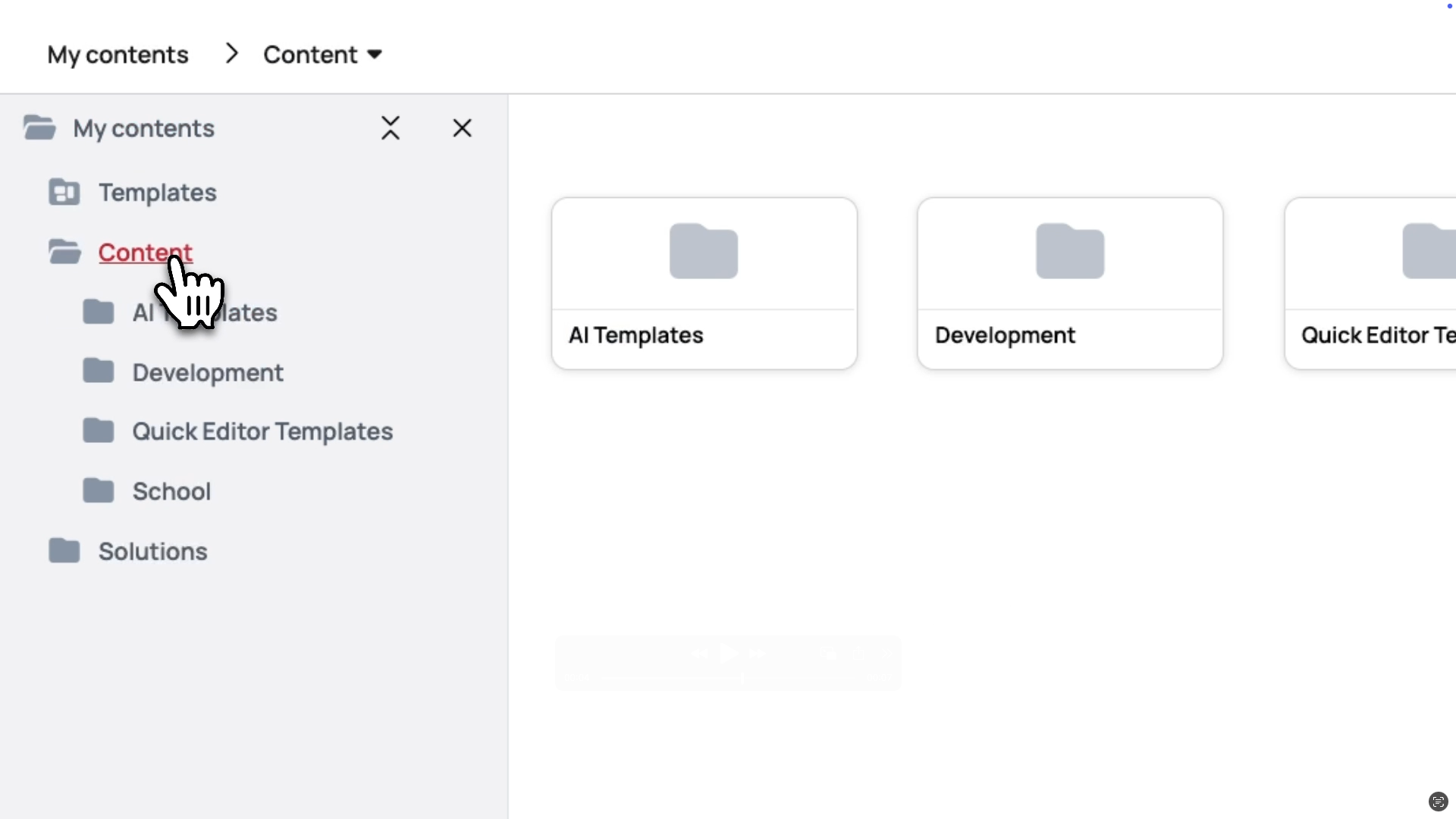
Create dynamic content that updates itself. Point Wallboard at a website, data feed, or information source and let AI do the rest — automatically generating and refreshing signage content so your screens always stay current.
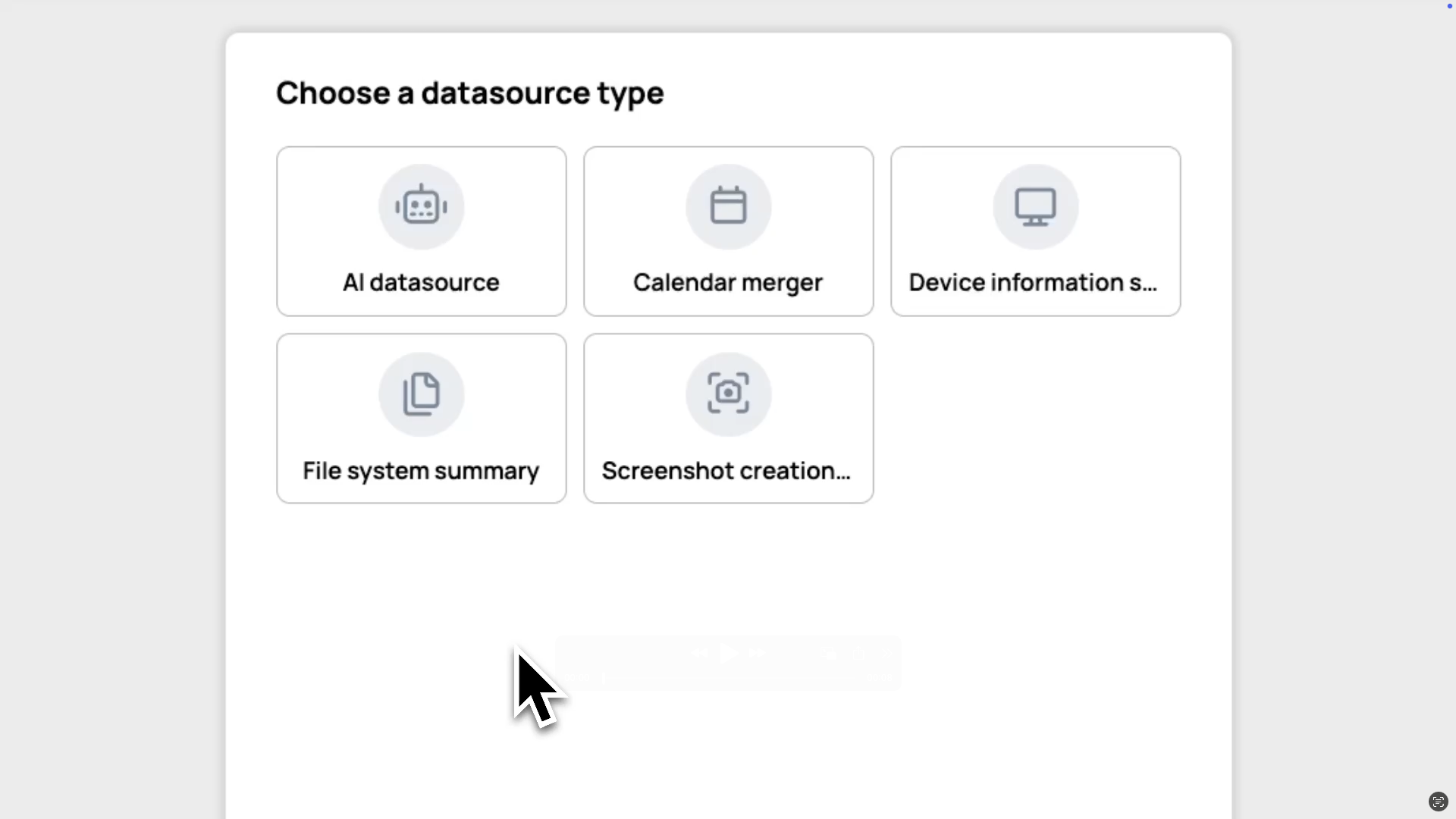
We've completely rebuilt how Wallboard handles internal data. The new table engine is faster, more flexible, and easier to work with — whether you're pulling in live metrics, KPIs, or custom datasets.
.gif)
Need content from a website on your screens? Wallboard's new AI scraper intelligently extracts and formats web content for display — no manual copy-paste, no formatting headaches.
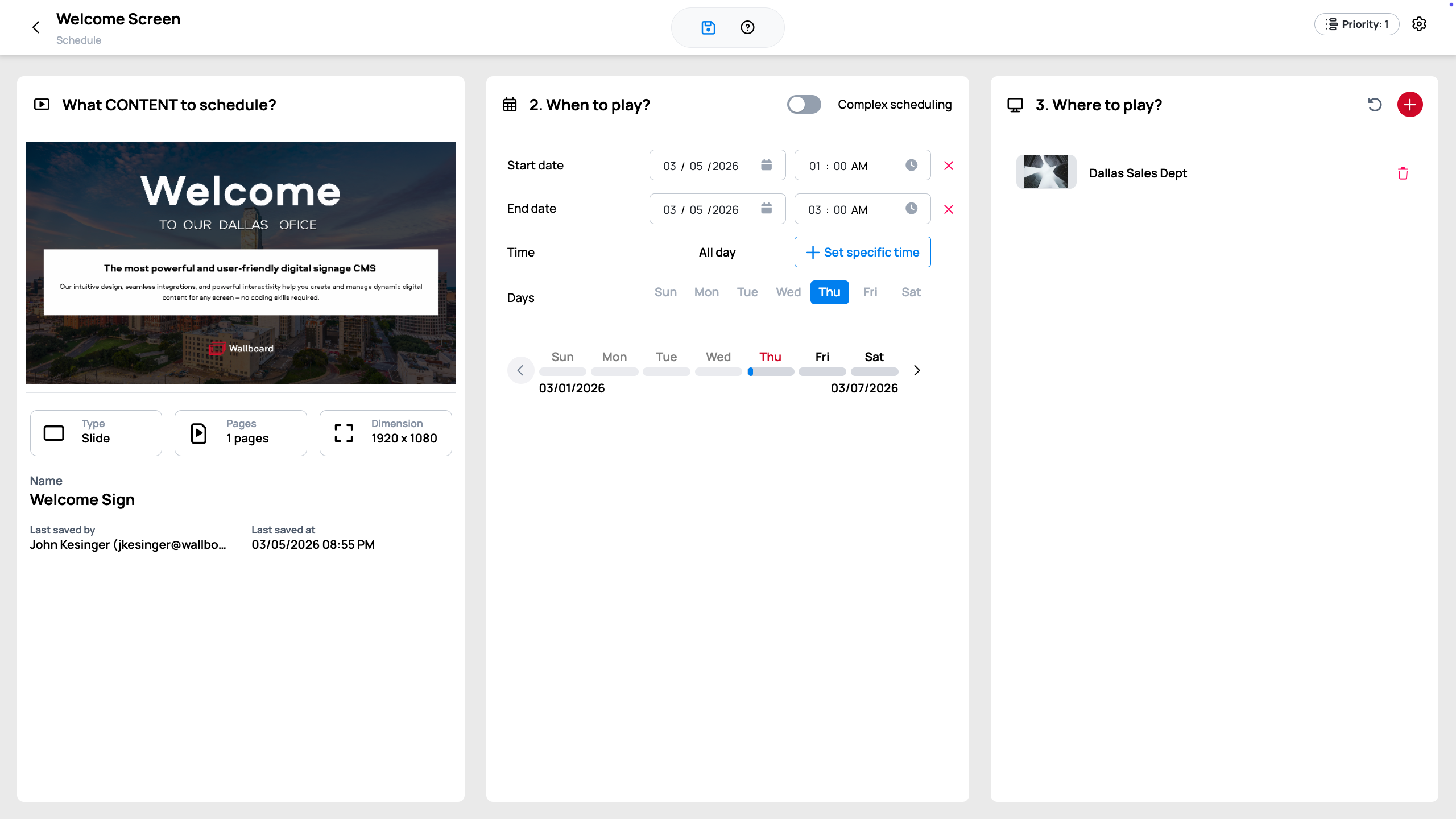
Wallboard 2.1 introduces full SAML SSO support, so your team can log in with their existing corporate credentials. One less password to manage, one more system that fits seamlessly into your IT environment.
Every Wallboard deployment is now managed through GitOps — meaning updates are version-controlled, automated, and auditable. This gives IT teams confidence that every change is tracked and reversible.
Under the hood, Wallboard 2.1 runs on Kubernetes-native infrastructure. This means automatic scaling, self-healing services, and the kind of resilience that enterprise environments demand.
The AI features — natural language control, content sources, web scraper — are all about removing friction. We want non-technical users to feel confident managing signage without training or support tickets.
SSO, GitOps, and Kubernetes aren't flashy — but they're what large organisations need before they'll commit. These features make Wallboard enterprise-ready in a way it wasn't before.
Wallboard 2.1 isn't just a feature update — it's a re-architecture. The new infrastructure is designed to support what comes next: more AI capabilities, deeper integrations, and faster iteration cycles. We believe AI is going to fundamentally change how people interact with digital signage, and 2.1 is the foundation for that future.
Server updates begin March 10, 2026, rolling out over 2–4 weeks depending on deployment type. Not all features will be visible on day one — some will be enabled progressively as we validate stability across environments.
Webinars and walk-throughs starting the week of March 17th.
Server updates begin March 10, 2026, rolling out over 2–4 weeks depending on deployment type. Not all features will be visible on day one — some will be enabled progressively as we validate stability across environments.
Webinars and walk-throughs starting the week of March 17th.
Lorem ipsum dolor sit amet, consectetur adipiscing elit. Suspendisse varius enim in eros elementum tristique.
Lorem ipsum dolor sit amet, consectetur adipiscing elit. Suspendisse varius enim in eros elementum tristique.